Dubai real estate investment in 2027 could present a different set of opportunities from the rapid growth cycle of previous years. With new residential supply entering the market, infrastructure projects progressing and buyer preferences becoming more selective, investors may need to look beyond headline property prices to identify the right opportunities.
For investors considering apartments, villas, off-plan developments or rental properties, the central question is no longer simply whether Dubai is a good place to invest. It is which locations, property types and investment strategies could offer the strongest combination of rental demand, long-term potential and manageable risk.
In this guide, Expert Properties examines five Dubai communities worth watching in 2027, the market trends that could influence investment decisions, and the practical checks investors should complete before purchasing a property.
2027 investment outlook: Investors may find opportunities in established rental communities, infrastructure-led growth locations and premium lifestyle developments. However, upcoming supply, building quality, purchase price and actual rental performance will matter more than promotional yield figures.
What’s in this guide
- Dubai Property Market Outlook 2027
- What Could Drive Investment Demand?
- Five Areas to Watch in 2027
- Which Investment Strategy Is Right?
- Apartments vs Villas vs Off-Plan
- Understanding Rental Yields
- Investment Risks to Consider
- How to Invest in Dubai Property
- 2027 Investor Checklist
- Frequently Asked Questions
01 Dubai Property Market Outlook 2027
Dubai’s real estate market enters 2027 following several years of strong transaction activity and significant residential development. Official figures published by Dubai’s Public Debt Management Office reported more than 270,000 real estate transactions worth AED 917 billion in 2025. This demonstrates the scale of the market, although previous performance should not be treated as a guarantee of future growth.
By the third quarter of 2026, market conditions were becoming more selective. Savills reported approximately 34,500 residential transactions during Q3 2026, down 4% quarter-on-quarter. Its research also highlighted a significant future residential supply pipeline, with more than 525,000 units scheduled between 2027 and 2030.
Cushman & Wakefield Core’s Q3 2026 report also described a cooling residential market, reporting annual declines in sale prices and rents, while estimating around 60,000 units scheduled for delivery in 2027. Scheduled supply does not necessarily mean every unit will be completed on time, but it is an important factor for investors to monitor.
These developments point towards a more competitive market. Investors may have more properties to compare, more negotiating opportunities in selected projects and greater reasons to examine rental demand before making a purchase.
Sources: Government of Dubai Public Debt Management Office, Savills Q3 2026 and Cushman & Wakefield Core Q3 2026. Figures refer to different reporting periods and methodologies. Future supply represents scheduled pipeline, not guaranteed delivery.
What does this mean for investors? The strongest opportunity in 2027 may not be the property with the highest advertised appreciation forecast. It could be a well-priced asset in a community with sustainable tenant demand, limited direct competition and strong resale potential.
02 What Could Drive Dubai Real Estate Investment in 2027?
Several economic, demographic and infrastructure factors could influence Dubai’s property market in 2027. Understanding these drivers can help investors identify locations with a stronger long-term investment case.
Population Growth and Housing Demand
Dubai attracts international professionals, entrepreneurs, business owners and families. As employment opportunities and business activity develop, demand for rental apartments and family homes may increase in communities close to employment centres, schools, transport links and everyday services.
Investors should examine actual population and rental trends rather than assume that every new residential development will automatically attract tenants.
Infrastructure and Connectivity
Transport networks, road improvements, airports and new commercial districts can influence where residents choose to live. Areas benefiting from improved connectivity may become more attractive to tenants and future buyers, although infrastructure announcements do not guarantee property appreciation.
One major development to monitor is Al Maktoum International Airport. The Government of Dubai approved a new passenger terminal project valued at AED 128 billion, with a planned ultimate capacity of 260 million passengers annually. The project is part of a broader long-term development vision for Dubai South.
A More Selective Property Market
As additional residential units enter the market, differences between buildings and developers may become more important. Well-maintained properties with practical layouts, good facilities and convenient locations could compete more effectively than units relying mainly on attractive marketing.
Dubai’s Long-Term Real Estate Strategy
Dubai Land Department’s Real Estate Sector Strategy 2033 focuses on increasing the sector’s economic contribution, supporting homeownership, improving transparency and attracting international investment.
For investors, this long-term policy direction provides useful context when evaluating the emirate’s real estate ecosystem, although it should not be interpreted as a guaranteed return on an individual property.
03 Five Dubai Areas to Watch for Investment in 2027
There is no single best area for every investor. A buyer seeking rental income may prefer a different community from someone prioritising capital appreciation, family tenants or luxury property ownership.
The following five locations offer different investment propositions worth researching in 2027. They are opportunities to investigate, not a guaranteed performance ranking.
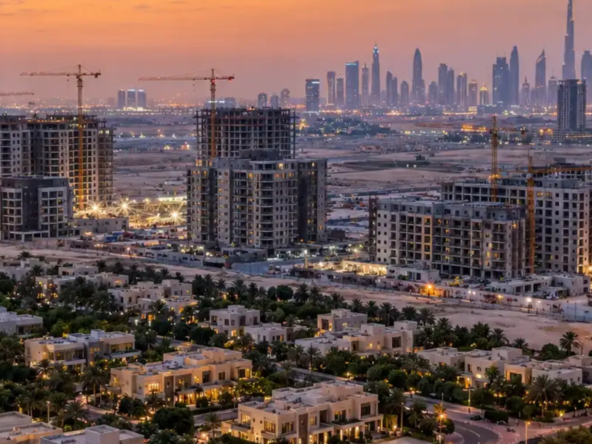
Dubai South deserves attention because of its relationship with Al Maktoum International Airport, logistics facilities and wider economic development.
Why consider it: Long-term infrastructure investment and potential demand from aviation, logistics and business-related employment.
Best suited to: Long-term investors who can accept development and timing risks.
What to check: Current occupancy, access to employment centres, construction progress, resale liquidity and the volume of competing new units.
Jumeirah Village Circle is an established residential community with apartments, townhouses, schools, retail outlets and everyday amenities.
Why consider it: A broad range of property options and access to established tenant markets.
Best suited to: Investors comparing apartments and smaller family homes for long-term rental.
What to check: Building-level service charges, nearby construction, parking, maintenance and competing rental listings.
Dubai Hills Estate combines residential properties with green spaces, retail, leisure facilities and access to major road networks.
Why consider it: A community-oriented environment that may appeal to families and professionals seeking longer-term accommodation.
Best suited to: Investors prioritising established lifestyle infrastructure and family rental demand.
What to check: Purchase premiums, community charges, school accessibility and the rental performance of comparable units.
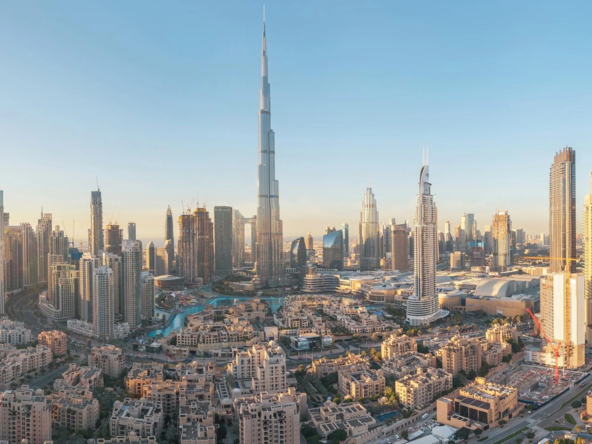
Business Bay benefits from its central location, commercial activity and proximity to Downtown Dubai. It offers residential apartments alongside offices, hospitality and retail.
Why consider it: Access to employment centres, business facilities and established urban amenities.
Best suited to: Investors targeting professionals and tenants who value central-city access.
What to check: Building age, traffic, parking, service charges and competition from new developments.
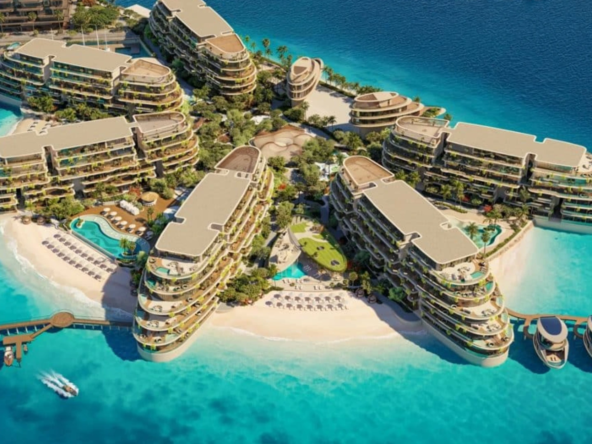
Dubai Islands is an emerging waterfront destination planned around residential, hospitality, leisure and tourism-oriented development.
Why consider it: Waterfront positioning and the potential for future lifestyle and tourism demand as the destination develops.
Best suited to: Investors with a longer time horizon who understand development-stage risks.
What to check: Actual completion status, access, infrastructure, service charges, rental comparables and the number of competing projects.
Expert Properties insight: Compare properties at building level, not only by community name. Two apartments in the same Dubai neighbourhood can have very different rental demand, maintenance costs, service charges and resale potential.
04 Which Dubai Property Investment Strategy Is Right for You?
Before selecting a location, investors should decide what they want their property to achieve. A strategy based on rental income will require different property characteristics from one focused on long-term capital appreciation.
| Investment Strategy | What to Prioritise | Areas to Research | Main Consideration |
|---|---|---|---|
| Rental Income | Tenant demand, achievable rent and costs | JVC, Business Bay | Net rental yield |
| Long-Term Growth | Infrastructure and economic development | Dubai South | Long development timeline |
| Family Tenants | Schools, facilities and community quality | Dubai Hills Estate, JVC | Purchase price and recurring charges |
| Waterfront Lifestyle | Location, quality and tourism demand | Dubai Islands | Development and supply risk |
| Portfolio Diversification | Different tenant markets and property types | Multiple communities | Concentration and liquidity |
These are research starting points, not investment recommendations or forecasts of area performance.
05 Apartments vs Villas vs Off-Plan: What Could Work in 2027?
The property type can have as much influence on investment performance as the location. Investors should consider their available capital, financing arrangements, expected holding period and preferred tenant profile.
- Can offer a lower purchase entry point than villas in the same market.
- May appeal to professionals, couples and smaller households.
- Provide options for long-term and, where legally permitted, short-term rental strategies.
- Require careful assessment of building maintenance and service charges.
- Can appeal to families seeking additional space and privacy.
- May attract longer-term tenants in established communities.
- Offer exposure to family-oriented residential demand.
- Require a larger budget and careful maintenance planning.
- May provide staged payment plans depending on the developer.
- Offer access to new developments and modern layouts.
- Can suit investors with a longer investment horizon.
- Carry completion, construction, handover and market-price risks.
- Allow physical inspection before purchase.
- Provide a clearer picture of existing rental comparables.
- May offer immediate occupancy or rental potential after transfer.
- Require checks on title, building condition and existing tenancy agreements.
Which is better? Ready property may suit buyers who value visibility of the existing asset and rental market. Off-plan property may suit buyers who can wait for completion and are comfortable with construction and market risks. Neither is automatically more profitable.
06 How to Calculate Dubai Property Rental Yield in 2027
Rental yield is one of the most useful metrics for comparing investment properties. However, investors should distinguish between gross rental yield and net rental yield before deciding whether a property is financially attractive.
Gross rental yield measures annual rental income against the property’s purchase price, without deducting operating expenses.
Gross Rental Yield Formula:
(Annual Rental Income ÷ Property Purchase Price) × 100
Example: A Dubai Investment Apartment
| Investment Detail | Illustrative Amount |
|---|---|
| Property purchase price | AED 1,000,000 |
| Annual rental income | AED 70,000 |
| Gross rental yield | 7% |
| Annual service charges | AED 10,000 |
| Management and maintenance allowance | AED 5,000 |
| Illustrative net operating income | AED 55,000 |
| Illustrative net operating yield | 5.5% |
Illustrative example only. Figures are not current market averages. The net operating yield shown excludes financing costs, acquisition costs, taxes where applicable and other potential expenses.
A property advertised with a 7% gross yield does not necessarily deliver a 7% return after expenses. Service charges, insurance, maintenance, vacancy periods, property management and financing costs can materially affect the final result.
For an accurate comparison, request the actual service charge for the building, review comparable registered rental contracts and calculate the expected net operating income.
07 Dubai Real Estate Investment Risks to Consider in 2027
Dubai offers a wide range of property opportunities, but every investment carries risk. A careful investor should understand the potential disadvantages before committing capital.
New Residential Supply
A growing number of completed apartments and villas may increase competition between landlords. Some buildings or communities could experience rental pressure if new supply outpaces tenant demand.
Property Price Fluctuations
Property values can rise or fall depending on market conditions, interest rates, buyer confidence, supply and demand. Investors should avoid purchasing solely on the assumption that prices will continue increasing.
Off-Plan Construction Delays
Construction timelines can change. Investors should check project registration, developer track record, contractual handover terms, construction progress and the project’s escrow arrangements.
Service Charges and Maintenance
High annual service charges and unexpected maintenance expenses can reduce net rental returns. Review building-specific costs before comparing properties.
Resale and Liquidity Risk
Some properties may take longer to sell than others. Location, purchase price, building condition, property type and market demand can all influence how easily an investor exits an investment.
08 How to Invest in Dubai Real Estate in 2027
Whether you are a UAE resident or an overseas buyer, a structured purchase process can help you reduce avoidable risks and make a more informed investment decision.
Define Your Investment Objective
Decide whether your priority is rental income, long-term capital appreciation, personal use or portfolio diversification. Set a realistic budget and holding period.
Choose an Appropriate Location
Compare established communities and emerging development areas based on rental demand, transport links, amenities, upcoming supply and resale activity.
Compare Actual Transaction and Rental Data
Use the Dubai Land Department’s real estate data services to research registered transactions, rental information, project details and property valuations wherever available.
Verify the Property and Developer
For ready property, review title documents, outstanding charges, tenancy agreements and building condition. For off-plan property, verify project registration, developer details, escrow arrangements and contractual terms.
Calculate the Total Investment Cost
Account for the purchase price, applicable Dubai Land Department registration fees, brokerage fees, mortgage-related charges, service charges, maintenance and other transaction expenses.
Complete the Legal Registration
Ensure that the sale and purchase process follows the applicable Dubai Land Department requirements and that ownership or provisional registration is properly documented.
09 Dubai Property Investor Checklist for 2027
Before signing a property purchase agreement, use this checklist to review the investment from a financial, legal and practical perspective.
| Investment Check | What to Verify |
|---|---|
| Purchase price | Compare recent registered transactions for similar units. |
| Rental income | Check actual comparable rental contracts and achievable rent. |
| Net yield | Deduct service charges, management, vacancy and maintenance. |
| Location | Review transport, employment access and nearby facilities. |
| Future supply | Research competing projects and scheduled handovers. |
| Developer | Check registration, project history and delivery record. |
| Legal status | Verify ownership, project registration and contractual terms. |
| Exit strategy | Consider resale demand, liquidity and the expected holding period. |
10 Frequently Asked Questions About Dubai Real Estate Investment 2027
Is Dubai real estate a good investment in 2027?
Which areas in Dubai could be best for property investment in 2027?
Is off-plan property worth considering in Dubai in 2027?
Can foreigners buy property in Dubai?
How much money do I need to invest in Dubai real estate?
How can I calculate rental yield on a Dubai property?
Is Dubai South a good area for long-term property investment?
What are the main risks of investing in Dubai property?
Smart Property Selection Could Matter More Than Market Timing in 2027
Dubai real estate investment in 2027 could offer opportunities across established residential communities, central business districts, family-oriented developments and emerging infrastructure-led destinations.
JVC and Business Bay deserve attention from investors researching established rental markets. Dubai Hills Estate offers a community-focused proposition, while Dubai South and Dubai Islands provide different long-term development opportunities.
However, no location guarantees rental income or capital appreciation. The final investment decision should be based on verified transaction data, realistic rental assumptions, total ownership costs and the investor’s financial objectives.
At Expert Properties, the focus should be on helping buyers compare available properties, understand their investment characteristics and make informed decisions based on their individual requirements.
Explore Dubai Property Investment Opportunities with Expert Properties
Looking to buy an apartment, villa or off-plan property in Dubai? Speak with the Expert Properties team to explore available properties, compare locations and identify opportunities that match your investment goals.
1. Government of Dubai – 2025 Real Estate Market Results.
2. Savills – Dubai Residential Market Report Q3 2026.
3. Cushman & Wakefield Core – Residential Q3 2026.
4. Dubai Land Department – Real Estate Open Data.
5. Dubai Land Department – Real Estate Sector Strategy 2033.
6. Government of Dubai Media Office – Al Maktoum International Airport Expansion.
7. Dubai Land Department – Real Estate Investor FAQs and Escrow Information.
Disclaimer: This article is for general informational and educational purposes only and does not constitute financial, legal or investment advice. Market conditions, property prices, rents and future development schedules may change. All investment decisions should be based on independent due diligence and verified property-specific information. Future performance is not guaranteed.

Related posts