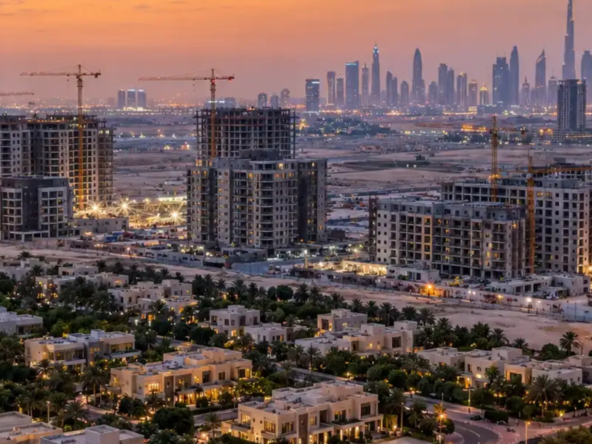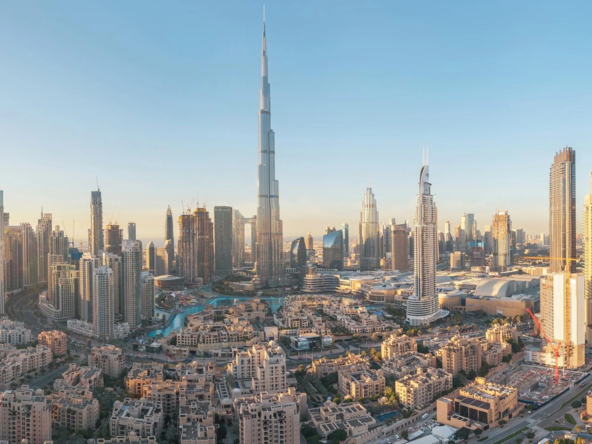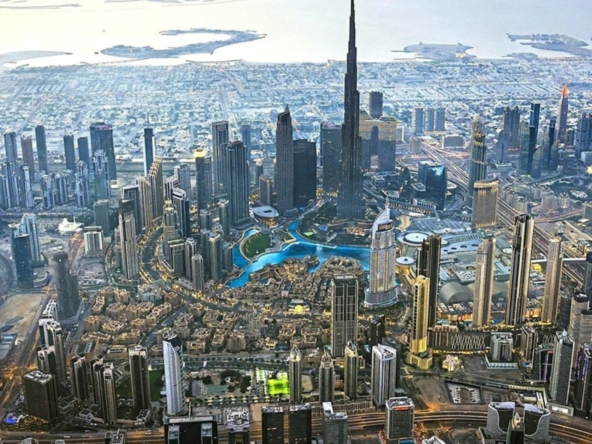
Dubai South real estate is attracting attention from property investors looking beyond Dubai’s established residential communities. With Al Maktoum International Airport’s planned expansion, the area’s aviation and logistics ecosystem, and its proximity to Expo City Dubai, Dubai South offers a long-term investment story built around employment, infrastructure and urban development.
But is Dubai South the next big investment destination in Dubai? The answer depends on your budget, investment horizon, rental strategy and the individual property you choose. While the area has meaningful growth drivers, future infrastructure does not automatically guarantee higher property prices or rental returns.
In this guide, Expert Properties explores the reasons to consider buying property in Dubai South, potential rental income, the role of major infrastructure projects, investment risks and the checks buyers should complete before making a decision.
Quick answer: Dubai South may suit investors seeking long-term growth potential and exposure to Dubai’s expanding aviation and logistics economy. Investors who need immediate rental income or an easy resale should compare ready properties, actual rents and resale activity before committing.
What’s in this guide
01 What Is Dubai South?
Dubai South is a large master-planned urban and economic development in southern Dubai. It combines residential neighbourhoods with aviation, logistics, commercial and business-related districts. Its development strategy is closely linked to the growth of the wider Dubai World Central area and Al Maktoum International Airport.
Unlike mature neighbourhoods where property demand is already supported by established transport links, shops and employment centres, Dubai South is still developing. This creates a different investment proposition: buyers are assessing both the community as it exists today and the potential effects of future development.
The area may appeal to airport and logistics employees, professionals working in nearby business districts, families seeking residential options and investors looking for properties at different price points. However, demand varies by building, location, transport access and the availability of everyday amenities.
For buyers, it is important to distinguish between Dubai South as a broad master development and individual residential communities within it. Two properties marketed under the Dubai South name may have different completion dates, service charges, tenant profiles and resale prospects.
These are planning and development characteristics, not guarantees of investment performance. The 2040 reference is Dubai’s wider urban planning horizon, not a promised completion date for every Dubai South project.
02 Why Invest in Dubai South Real Estate?
Dubai South’s investment case rests on more than one project. The strongest argument is the combination of employment-generating infrastructure, planned urban development and residential supply that can serve people working in the surrounding economic districts.
1. Long-term infrastructure development
Major infrastructure projects can reshape where people work, live and do business. Dubai South is positioned around a major aviation and logistics development zone, making infrastructure progress an important factor to monitor when evaluating property demand.
Investors should assess what is operational today separately from what is planned. The timing of transport improvements, airport facilities and commercial projects can affect how quickly a residential property attracts tenants or buyers.
2. Employment from aviation and logistics
Air transport, freight, warehousing, supply-chain services and related businesses can create demand for nearby housing. If employment in these sectors expands, some workers may prefer homes within a reasonable commute of their workplace.
That does not mean every new job will translate into a Dubai South tenancy. Employers’ locations, commuting patterns, salaries and the supply of competing housing will influence which buildings benefit most.
3. Different residential property options
Depending on the development, buyers may find apartments, townhouses and family-oriented homes at different price points. Studios and one-bedroom apartments may appeal to smaller households and individual professionals, while larger homes can target families looking for additional space.
Compare the total cost of ownership rather than the advertised purchase price alone. A less expensive unit is not necessarily the better investment if service charges are high, the layout is difficult to rent or competing properties offer better facilities.
4. Potential for long-term capital appreciation
Capital appreciation occurs when a property increases in market value. In a developing area, price growth may be supported by new infrastructure, stronger employment demand, improved amenities and greater recognition among buyers.
However, appreciation is not automatic. If developers deliver a large number of similar units at the same time, buyers may have more options and landlords may face greater competition. A sensible investment plan should remain viable even if property values rise more slowly than expected.
5. Access to the wider southern Dubai economy
Dubai South sits within a wider economic geography that includes Jebel Ali, Dubai Investment Park, Expo City Dubai and other employment and business destinations. This creates potential links to more than one source of tenant demand.
Before buying, map the actual journey from the property to your target employment hubs. Driving times, public transport availability and peak-hour traffic can have a direct effect on a property’s appeal to tenants.
03 How Could Al Maktoum International Airport Affect Property Values?
Al Maktoum International Airport is one of the most important long-term infrastructure factors associated with Dubai South. Plans for its expansion have helped bring attention to the wider area, particularly among investors with a multi-year holding strategy.
Airport expansion can support property demand through several channels: additional aviation-related employment, freight and logistics activity, supplier businesses, hospitality demand and supporting services. More jobs and business activity can increase the number of people looking for homes within commuting distance.
However, the effect on a particular property’s value depends on how these benefits translate into actual local demand. Some developments may be better positioned than others because of their road access, amenities, completion status or distance from employment centres.
Important: Do not value a property as if every planned airport facility is already operational. Verify current project milestones and official announcements before using future development in your investment calculations.
04 Dubai South Property Prices and Rental Yields
One of the most important questions for investors is whether Dubai South offers a realistic balance between purchase cost and achievable rental income. There is no single price or yield that applies to every property in the area.
As a dated market reference, Dubai Real Estate Data, using Dubai Land Department and Dubai Pulse records, reported a median registered price of approximately AED 1,661 per square foot for the broader Dubai South area, with a 4.5% year-on-year increase, using data updated on 2 November 2026. Its broader area dataset also reported a median annual rent of AED 57,000 for new apartment contracts and an indicative gross yield of 7.2%.
These figures describe a broad market dataset, not a guaranteed valuation or rental return for a specific unit. Area definitions, property types, ready and off-plan transactions, and the mix of homes sold can change the figures. A median for the broader area should not be confused with the median for a particular residential district.
| Investment metric | Market reference | How to use it |
|---|---|---|
| Median registered price | AED 1,661/sq. ft. | Compare with similar properties in the same building or community. |
| Year-on-year price change | +4.5% | Historical indicator, not a forecast of future appreciation. |
| Median new apartment rent | AED 57,000/year | Check comparable Ejari contracts for your specific unit type. |
| Indicative gross apartment yield | 7.2% | Gross yield before expenses; not the investor’s net return. |
Source: Dubai Real Estate Data, using DLD/Dubai Pulse and Ejari records; figures updated 2 November 2026. Broad-area figures are indicative and can differ from individual community results.
How to calculate rental yield
Gross rental yield is the annual rent divided by the property’s purchase price, multiplied by 100. It helps investors make an initial comparison between properties, but it excludes ownership costs.
Gross rental yield formula: (Annual rental income ÷ Purchase price) × 100.
Illustrative example: a property purchased for AED 800,000 and rented for AED 56,000 per year produces a gross yield of 7%. This is a calculation example, not a current market quote or a promised return.
Gross yield versus net yield
Net yield accounts for costs that reduce the income an owner keeps. These may include service charges, maintenance, property management, insurance where applicable, vacancy periods and leasing expenses. Buyers should also budget for purchase and financing costs separately.
For example, if a property generates AED 56,000 in annual rent but incurs AED 12,000 in annual operating costs, the remaining AED 44,000 represents a 5.5% return on an AED 800,000 purchase price before any other applicable expenses or financing costs.
Use realistic rental estimates and the actual service-charge schedule for the building. A high advertised yield can become much less attractive after costs are included.
05 Which Dubai South Properties Should Investors Compare?
Choosing the right property is often more important than choosing the right headline location. Dubai South includes different residential developments, and each may serve a different buyer or tenant profile. The following categories are useful starting points for research, not a ranking of specific projects.
What should you compare before buying?
| Factor | What to check |
|---|---|
| Purchase price | Recent comparable transactions, price per square foot and the unit’s condition. |
| Rental demand | Comparable registered rents, tenant profile, vacancy and competing listings. |
| Service charges | Actual annual charges for the building and any additional owner costs. |
| Developer and handover | Delivery record, project status, contractual terms and official registration. |
| Resale potential | Ready-property transactions, buyer demand and the volume of similar units for sale. |
| Connectivity | Current road access, realistic commuting times and confirmed public transport services. |
06 Advantages and Risks of Investing in Dubai South
- Exposure to long-term airport and logistics development.
- Residential choices across different property types and budgets.
- Potential tenant demand from nearby employment centres.
- Opportunity to assess properties before the area fully matures.
- Possible rental income alongside long-term capital growth.
- Infrastructure and employment growth may take longer than expected.
- New supply may increase competition among landlords.
- Some buildings may have limited resale demand.
- Off-plan purchases carry completion and handover risks.
- Actual net yield may be lower than advertised gross yield.
Risk 1: Infrastructure timing
Investors who buy primarily because of a future project may need to hold the property longer than planned. A development announcement does not establish when all benefits will be felt in local rents or resale prices. Keep your investment plan viable without relying on a specific future price increase.
Risk 2: New property supply
New homes can improve the area’s appeal, but a large number of similar units can also place pressure on rents and resale prices. Check upcoming handovers, competing listings and the differences between your property and nearby alternatives before making a purchase.
Risk 3: Resale liquidity
Liquidity refers to how readily a property can be sold at a reasonable market price. An area can record substantial off-plan sales while the resale market for completed homes remains less active. Review actual secondary-market transactions rather than using launch sales alone to assess your exit options.
Risk 4: Off-plan payment commitments
Before purchasing off-plan property, verify the project’s registration, developer details, escrow arrangements where applicable, payment milestones, contractual protections and handover terms. Make sure you can meet the payment schedule even if rental income or resale proceeds arrive later than expected.
07 Is Dubai South Suitable for Your Investment Strategy?
There is no single best investment area for every buyer. Dubai South may be worth considering if its risk profile and development timeline match your financial goals.
| Investor profile | Potential suitability | Priority check |
|---|---|---|
| Long-term investor | Worth evaluating | Infrastructure delivery, local demand and a realistic holding period. |
| Rental-income investor | Property dependent | Achieved rent, service charges, vacancy and net yield. |
| First-time buyer | Needs careful comparison | Total acquisition cost, financing, building quality and affordability. |
| Short-term speculator | Higher uncertainty | Resale liquidity, transaction costs and the risk of price fluctuations. |
| Off-plan buyer | Due diligence essential | Developer reliability, delivery schedule and future competing supply. |
Investment principle: Buy because the property makes financial sense under reasonable assumptions, not simply because a location is described as the next investment hotspot.
08 How to Buy Property in Dubai South: A Practical Checklist
Before committing to a property in Dubai South, work through the following steps. They can help you compare opportunities consistently and avoid relying only on marketing claims.
Define your investment objective
Decide whether your priority is rental income, capital appreciation, personal use or a combination. Set your budget and holding period before comparing projects.
Research actual property transactions
Use Dubai Land Department resources to review comparable registered transactions. Compare similar units by building, size, condition and completion status rather than relying on asking prices alone.
Verify achievable rent
Check comparable rental contracts, property condition, tenant demand and competing listings. Treat advertised rents as asking prices until you have evidence of achievable income.
Calculate net return and total costs
Include service charges, maintenance, management, vacancy, purchase fees and financing costs where applicable. Keep a contingency reserve for unexpected expenses.
Inspect the property and community
For ready homes, inspect the unit and building. For off-plan projects, verify registration, construction progress, developer credentials and contractual handover terms.
Plan your exit strategy
Consider who might buy or rent your property in the future, what competing supply could arrive and whether you could hold the property if the market takes longer to meet your expectations.
09 Frequently Asked Questions About Dubai South Real Estate
Is Dubai South a good place to invest in property?
Will Al Maktoum International Airport increase Dubai South property prices?
What is the rental yield in Dubai South?
Is it better to buy off-plan or a ready property in Dubai South?
Which property type is best for rental income in Dubai South?
What are the main risks of buying property in Dubai South?
Can foreign investors buy property in Dubai South?
How can I check Dubai South property prices before buying?
Could Dubai South Be Dubai’s Next Major Investment Destination?
Dubai South has a credible long-term growth story, but it is not a guaranteed property investment win. Its airport expansion plans, aviation and logistics economy, and developing residential communities provide reasons for investors to pay attention. The key question is whether these drivers will translate into sustainable demand for the exact property you intend to buy.
Investors focused on rental income should prioritise ready homes with verifiable rents, manageable service charges and a clear tenant market. Those seeking capital appreciation should examine project delivery, competing supply, transport access and their ability to hold the property over several years.
The strongest investment decision is based on verified transactions, realistic financial calculations and a clear exit strategy—not on infrastructure headlines alone.
Explore Dubai South Property Opportunities with Expert Properties
Looking to buy an apartment, townhouse or investment property in Dubai South? Expert Properties can help you compare available properties, review key investment considerations and identify options aligned with your budget and goals.
Research sources: Dubai Land Department — Real Estate Data; Dubai Real Estate Data — Dubai South area statistics; Dubai 2040 Urban Master Plan. Market figures cited above are dated references and may change. Verify current transactions, rental contracts, project status and property-specific costs before purchasing. This article is for general informational purposes and does not constitute financial or investment advice.