



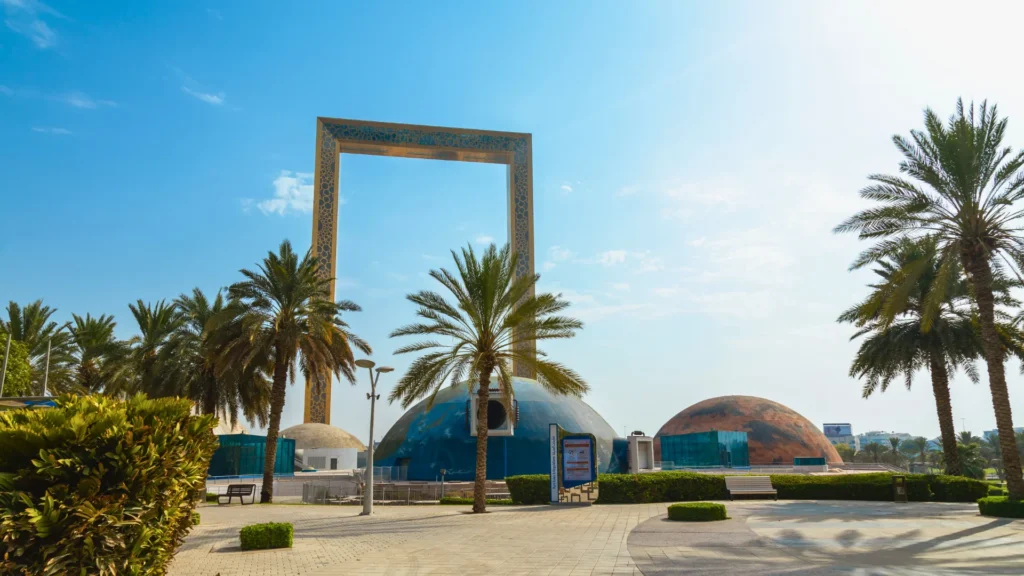
Dubai is no longer just a transit hub; it has evolved into the world’s premier destination for luxury, business, and leisure. As visitor numbers continue to soar past historical records—projected to approach 20 million international visitors annually—the ripple effect on the real estate market has been undeniable.
For investors and homeowners in 2026, the correlation is clear: where tourists go, property prices follow.
In this deep dive, we explore how the tourism surge is rewriting the rules of Dubai’s real estate market, driving up rental yields, and creating new investment hotspots across the Emirate in the year ahead.
1. The “Airbnb Effect”: The Explosion of Short-Term Rentals
The most direct impact of tourism on Dubai’s property market in 2026 is the unprecedented demand for short-term rentals (STRs). With hotel occupancy rates consistently hitting 78-80%, tourists are increasingly turning to holiday homes, pushing daily rates upward.
- The Data: Analysts forecast a continued 18% increase in short-term rental prices for 2026 compared to previous years.
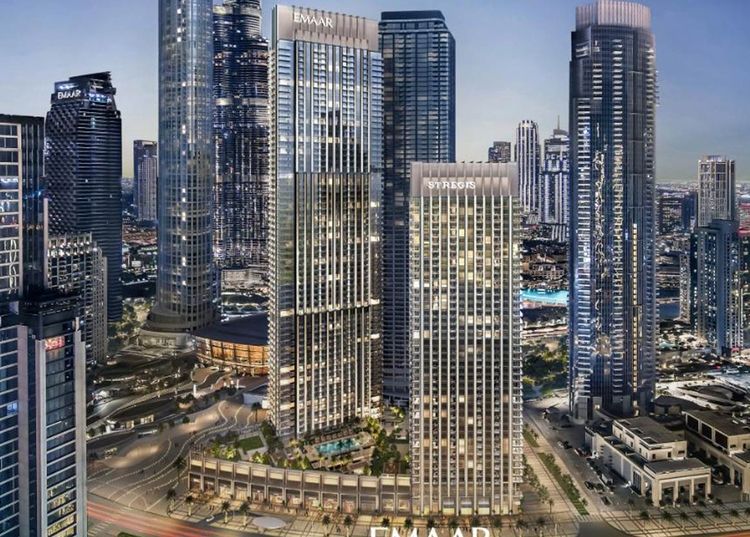
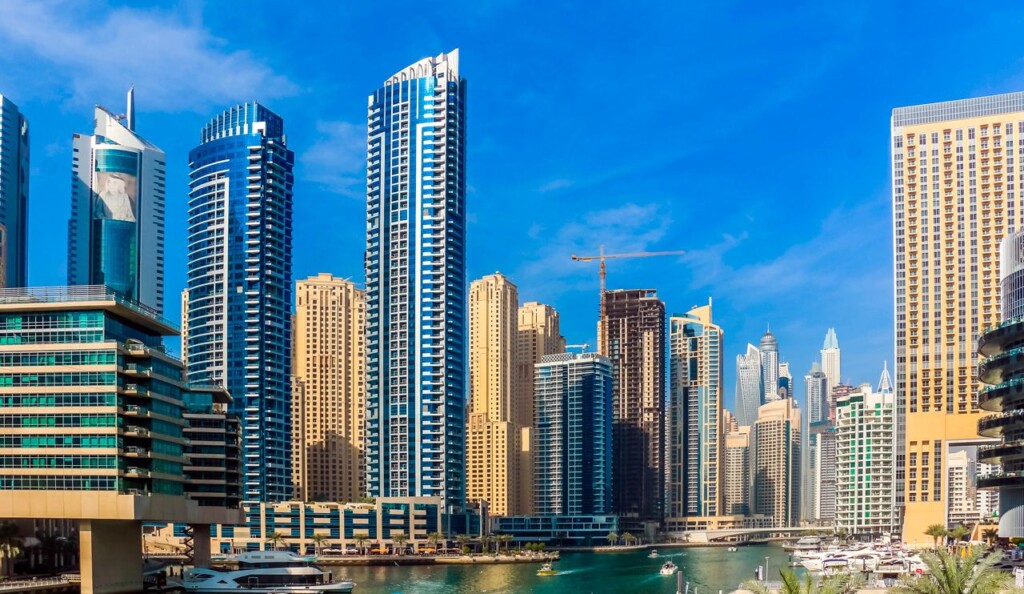
- The Shift: Investors are pivoting from traditional annual leases to the short-term model. Properties in tourist-heavy districts like Downtown Dubai, Dubai Marina, and Jumeirah Beach Residence (JBR) are now generating gross yields significantly higher than long-term rentals—often exceeding 8-10% annually.
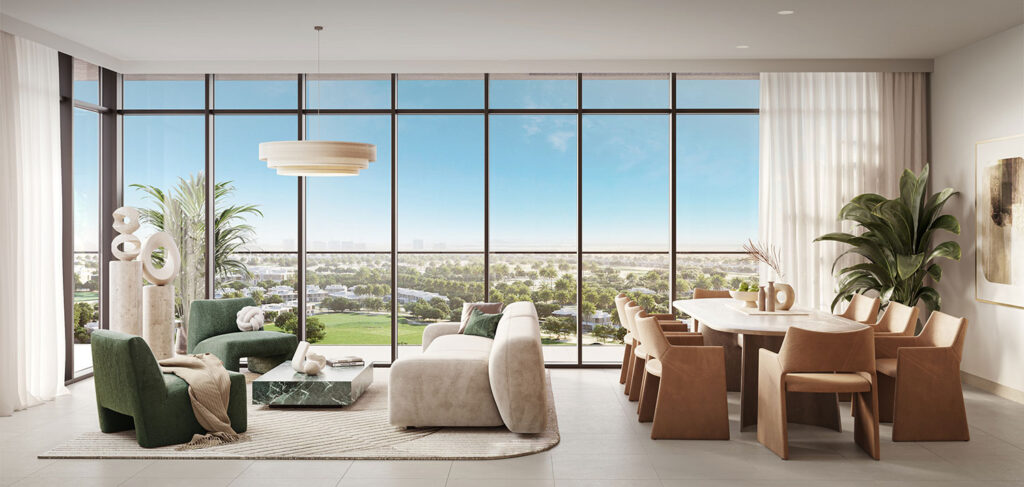
- Why it Matters: The “lock-and-leave” lifestyle appeals to the growing number of digital nomads and frequent business travelers utilizing the Remote Work Visa.
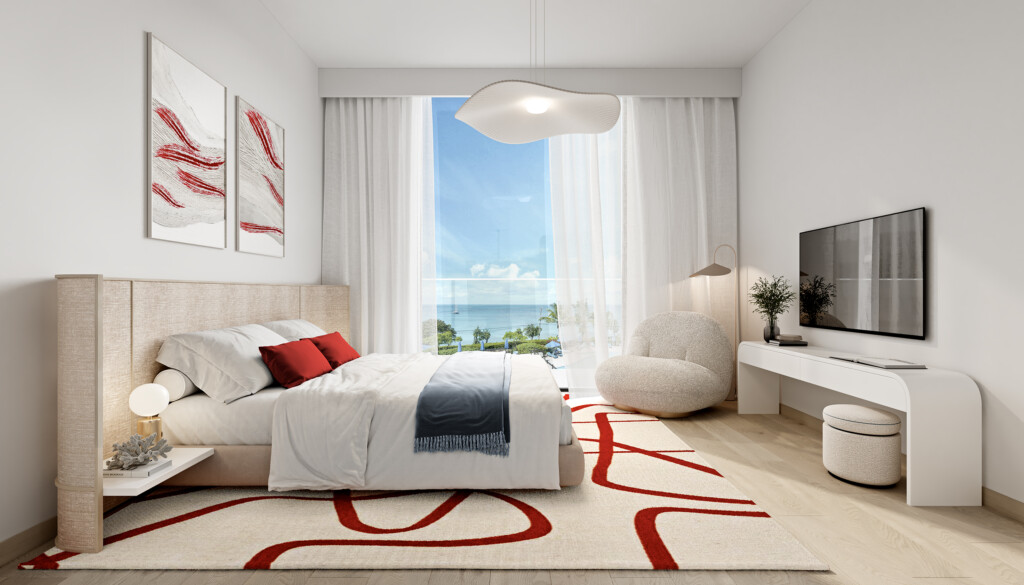
Investor Tip: Look for properties that are “holiday-ready”—fully furnished units near Metro stations or beach access. These command the highest premiums on platforms like Airbnb and Booking.com.
2. Luxury Living: High-Net-Worth Tourists Become Buyers
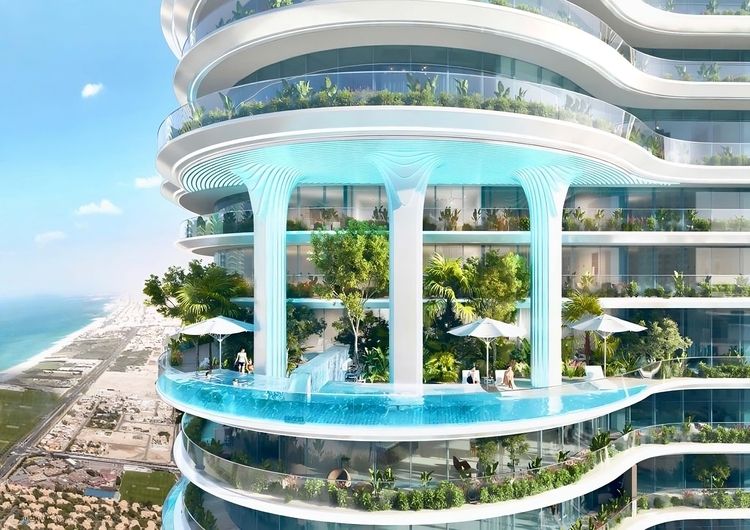
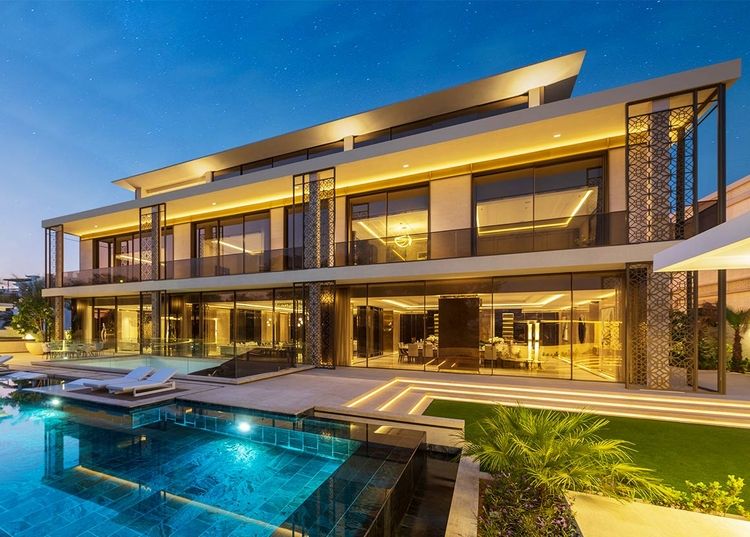
Dubai has successfully converted wealthy tourists into permanent residents. The trend of “try before you buy” is reshaping the prime residential market. High-Net-Worth Individuals (HNWIs) visiting for the winter season are snapping up trophy assets, driving prices in ultra-luxury segments.
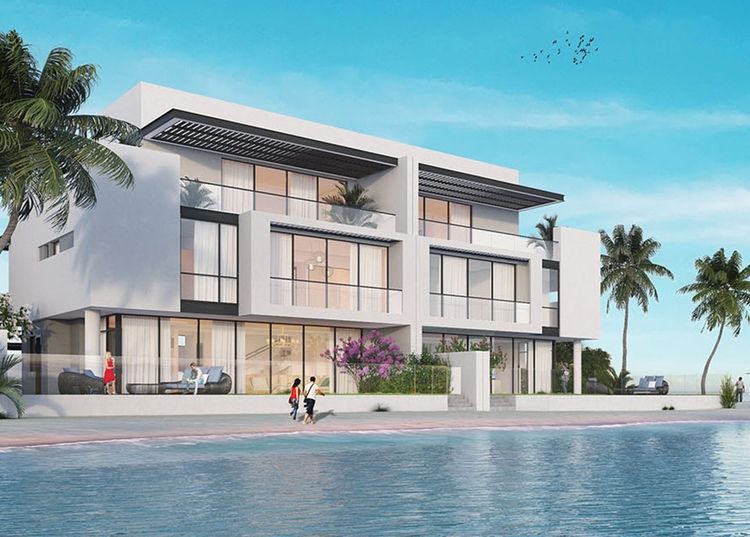
- Prime Areas: Palm Jumeirah remains the crown jewel, with villa rental rates surging as supply remains tight. However, Palm Jebel Ali is the new contender in 2026, attracting early investors looking for the next waterfront boom as handover phases approach.
- Branded Residences: Projects associated with luxury hotel brands (e.g., Four Seasons, Dorchester, Bugatti) are seeing price appreciations of 20-25% due to the brand trust they offer international buyers.
3. The “New Dubai” Effect: Tourism Infrastructure Driving Capital Gains
The Dubai 2040 Urban Master Plan is heavily focused on expanding beach areas and tourism zones by 400%. This infrastructure expansion is creating new investment clusters outside the traditional city center.
Top 3 Emerging Areas to Watch in 2026:
| Area | Driver of Growth | Investment Outlook |
|---|---|---|
| Dubai South (Expo City) | Proximity to Al Maktoum Airport | High potential for long-term capital appreciation as the airport expansion accelerates. |
| Dubai Islands | New beachfront developments and resorts | Affordable entry point for waterfront living compared to Palm Jumeirah. |
| Jumeirah Village Circle (JVC) | Affordability & Connectivity | A favorite for budget-conscious tourists and expats, offering some of the highest rental yields in the city. |
4. Government Initiatives Fueling the Fire
It isn’t just organic tourism growth; strategic government policies are acting as an accelerant for property prices in 2026.
- The Golden Visa: The expansion of the 10-year Golden Visa categories (including for property investors buying assets worth AED 2M+) has provided long-term security, encouraging tourists to put down roots.
- Unified GCC Tourist Visa: The full implementation of the “Schengen-style” visa for Gulf countries allows tourists to move freely across the region, making Dubai the central hub for pan-regional travel and boosting demand for transit accommodation.
5. Rental Market vs. Sales Market: What to Expect?
While sales prices in prime areas are stabilizing at a high plateau, the rental market is where the volatility lies.
- Rentals: Expect a continued upward trajectory. With a population growing by approx. 5% annually and millions of visitors, the competition for well-located units is fierce.
- Sales: The market is maturing. We are seeing a shift from speculative “flipping” to genuine end-user demand. This makes the market more stable but means investors must be more selective with their location choices.
Conclusion: Is It Too Late to Invest?
The short answer is no, but the strategy has changed. In 2026, you cannot simply buy anywhere and expect double-digit returns. The “tourism premium” is real, but it is localized.
To capitalize on tourism-driven growth, focus on:
- Short-term rental eligibility: Ensure the building management allows holiday home operations.
- Connectivity: Proximity to the Metro or major tourist attractions is non-negotiable.
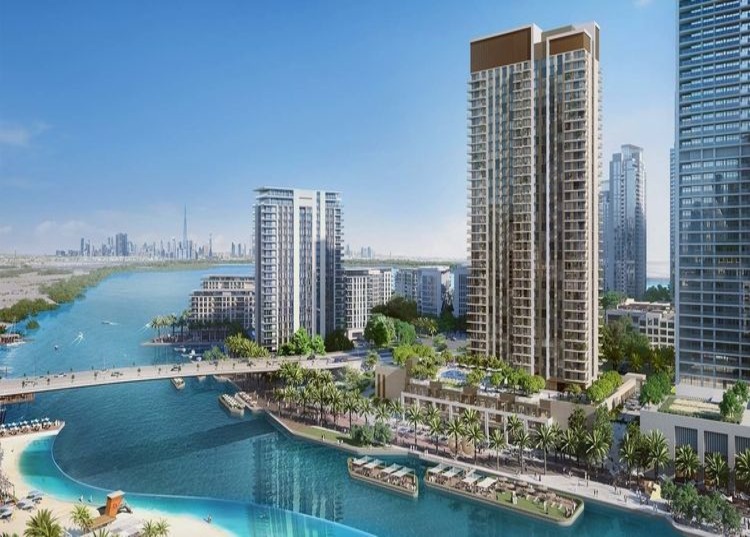
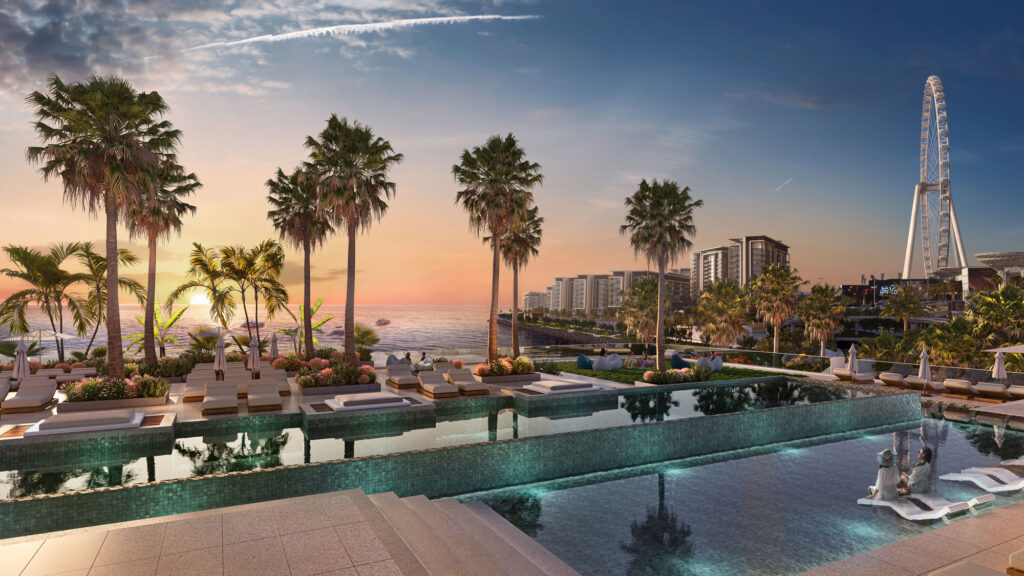
- Waterfront views: As Dubai expands its coastline, water-facing properties remain the most resilient asset class.
Tourism is not just filling hotels; it is filling bank accounts for savvy real estate investors. The window to enter emerging tourism hubs like Dubai Islands is open—but as 2026 progresses, the entry price is only going one way: up.